




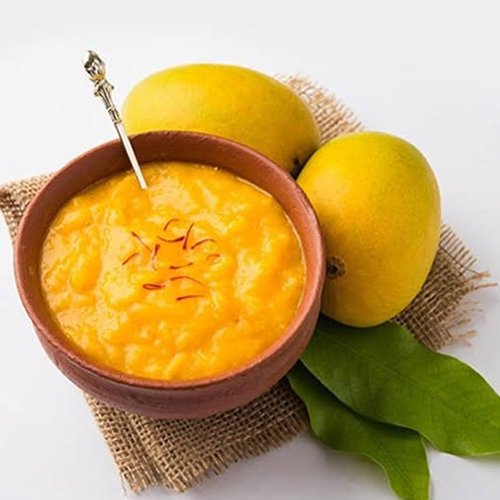
Mango Pulp
Mango Pulp is a processed form of ripe mangoes, where the fruit is peeled, deseeded, and pureed to create a smooth, thick consistency. It retains the natural sweetness, vibrant color, and rich flavor of fresh mangoes. Mango pulp is widely used in the food and beverage industry for making juices, smoothies, ice creams, jams, jellies, bakery products, and desserts. Popular mango varieties used for pulp production include Alphonso, Totapuri, Kesar, and Dasheri, each offering distinct taste and texture. The pulp is commonly packed in cans, aseptic bags, or frozen for extended shelf life, making it a convenient alternative to fresh mangoes. It is highly demanded in both domestic and international markets, especially in the Middle East, Europe, and North America, due to its versatility and year-round availability.
Menthol
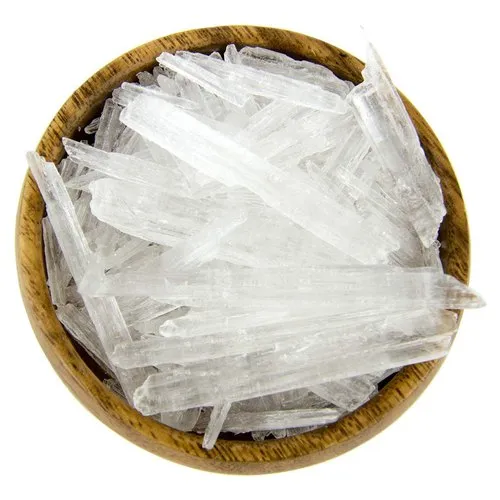
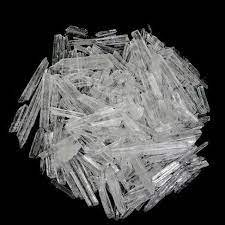
Discover the cooling power of Pure Menthol Crystals, derived from 100% natural peppermint oil. Known for their refreshing aroma and intense cooling sensation, menthol crystals are widely used in pharmaceuticals, cosmetics, personal care, and aromatherapy.
These colorless, transparent crystals dissolve easily in alcohol and essential oils, making them ideal for formulating balms, ointments, lotions, shampoos, and vaporizers.
Key Features:
-
100% natural origin (extracted from peppermint oil)
-
Sharp, cooling menthol aroma
-
Colorless, crystalline form
-
Soluble in alcohol, oils, and essential oils
-
Highly concentrated and long-lasting
Psyllium Husk
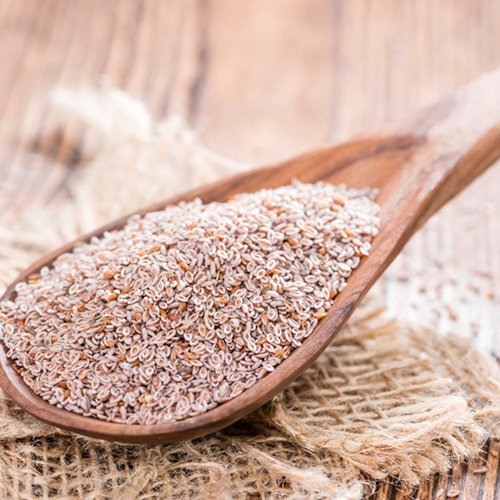
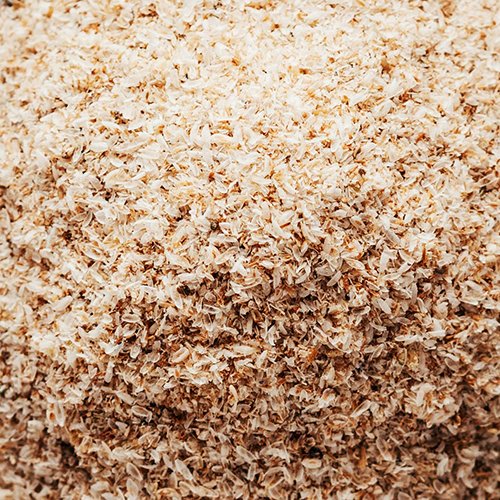
Psyllium Husk is a natural dietary fiber derived from the seeds of Plantago ovata. It is widely used for its health benefits, particularly in digestive health.Psyllium husk is widely used in the food, pharmaceutical, and health industries due to its high soluble fiber content and natural laxative properties. It is a key ingredient in fiber supplements, digestive aids, and gluten-free baking. Its ability to absorb water and form a gel-like consistency makes it beneficial for gut health, detoxification, and improving overall digestion. Additionally, psyllium is often included in weight management programs, as it helps reduce hunger by promoting a feeling of fullness. Available in various forms like whole husk, powder, and capsules, psyllium is a versatile and essential dietary supplement.
Rice
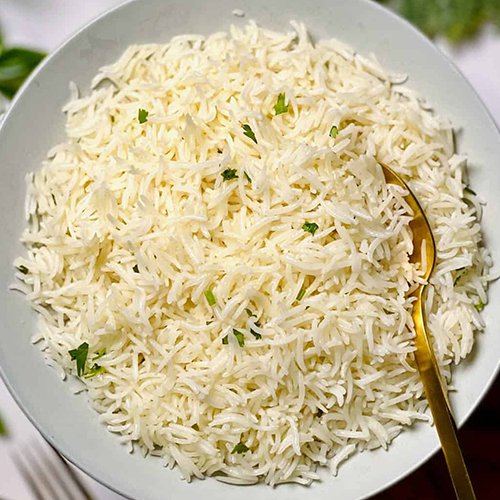
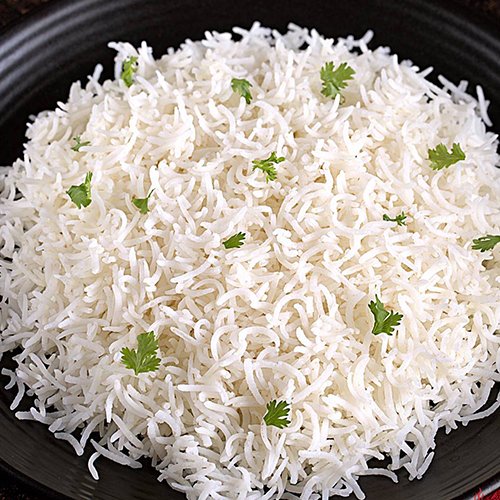
Basmati and non-basmati rice are essential staples, each offering unique qualities suited for different culinary purposes. Basmati rice is prized for its long, slender grains, distinct aroma, and ability to elongate after cooking, making it the preferred choice for biryanis, pulao, and premium dishes. It is primarily cultivated in India and Pakistan, with popular varieties like 1121 Basmati, Pusa Basmati, and Traditional Basmati known for their superior texture and fragrance. In contrast, non-basmati rice encompasses a wide range of varieties with varying grain sizes, textures, and flavors. Common types include IR64, Sona Masoori, Ponni, and Swarna Rice, which are widely grown in India, Thailand, and Vietnam. Some non-basmati varieties are soft and sticky, making them ideal for idli, dosa, and sushi, while others remain fluffy and separate, perfect for daily meals. Basmati rice is highly valued in global markets, particularly in the Middle East, Europe, and North America, while non-basmati rice is widely consumed across Asia and Africa due to its affordability and versatility. Both types play a crucial role in global cuisine, catering to different tastes and dietary preferences.
Wires And Cables
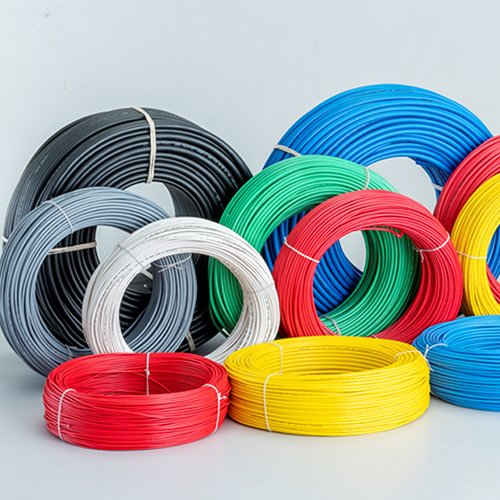
Wires and cables are essential components in electrical and communication systems, facilitating the transmission of power, signals, and data. Wires are single conductors, typically made of copper or aluminum, used in electrical circuits, while cables consist of multiple insulated wires bundled together for enhanced safety and performance. They come in various types, including power cables, control cables, coaxial cables, fiber optic cables, and LAN cables, each serving specific applications in residential, commercial, and industrial sectors. High-quality insulation and shielding are crucial for ensuring durability, conductivity, and protection against electrical hazards. With advancements in technology, modern wires and cables are designed to withstand extreme temperatures, moisture, and environmental conditions, making them essential for power distribution, telecommunications, and infrastructure development worldwide.