
Mango Pulp Exporter from India – The Taste of Tropical Excellence

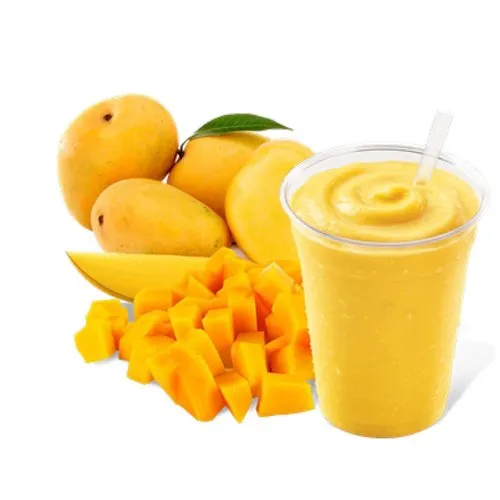
When you think of tropical fruits, the mango instantly comes to mind — the “King of Fruits,” loved for its luscious sweetness, rich flavor, and vibrant color. From juice and smoothies to desserts and confectionery, mangoes have found their way into every corner of the world. But behind this global love affair lies a powerful export industry — and India proudly stands as the largest producer and exporter of mango pulp.
In this blog, we explore how India has become a global hub for mango pulp exports, the varieties, production process, benefits, applications, and what makes Indian mango pulp the first choice for international buyers.
1. India – The Heart of Global Mango Pulp Exports
India contributes nearly 45% of global mango production, exporting millions of tons of mango and mango-based products every year. Mango pulp — the processed, ready-to-use form of ripe mango — is among the most sought-after export items in the fruit processing industry.
The country’s fertile lands and tropical climate make it ideal for cultivating world-famous mango varieties such as Alphonso, Totapuri, and Kesar, which are widely used for pulp production.
Key Statistics
- India exports over 300,000 metric tons of mango pulp annually.
- Major importing countries: UAE, Saudi Arabia, Netherlands, USA, UK, and Bangladesh.
- The export is regulated by APEDA (Agricultural and Processed Food Products Export Development Authority) under India’s Ministry of Commerce.
These exports have positioned India as the leading mango pulp exporter, known for consistency, superior taste, and strict quality standards.
2. What Is Mango Pulp?
Mango pulp is the thick, smooth, and golden-yellow extract obtained from ripe mangoes. The process involves washing, peeling, deseeding, and extracting the inner fleshy part of the fruit. The pulp is then pasteurized and packed for industrial or retail use.
Types of Mango Pulp
- Alphonso Mango Pulp – Deep orange in color, intensely aromatic, and sweet.
- Totapuri Mango Pulp – Bright yellow, slightly tangy, and ideal for beverages.
- Kesar Mango Pulp – Distinct saffron hue, aromatic, and moderately sweet.
Each type has its own flavor profile, making Indian mango pulp versatile across industries.
3. The Mango Pulp Production Process in India
The production of mango pulp in India is a well-structured and technology-driven process ensuring freshness and hygiene at every stage.
Step-by-Step Process:
- Selection of Fresh Mangoes: Only fully ripened, hand-picked mangoes are used.
- Washing & Sorting: Fruits are cleaned and sorted to remove any defects.
- Peeling & Destoning: Automated machines remove the peel and seeds.
- Extraction: The pulp is extracted and passed through fine mesh filters.
- Pasteurization: Heated to kill microorganisms and ensure longer shelf life.
- Packaging: Packed in aseptic bags, tins, or drums to preserve taste and nutrients.
This controlled process ensures that the authentic taste, aroma, and natural color of mangoes remain intact.
4. Major Mango Pulp Producing Regions in India
The production of mango pulp is concentrated in specific states known for high-quality mango cultivation.
- Maharashtra: Famous for Alphonso and Kesar mangoes.
- Andhra Pradesh: Known for Totapuri mangoes.
- Gujarat: Produces premium-grade Kesar pulp.
- Tamil Nadu & Karnataka: Major centers for Totapuri mango pulp processing.
- Uttar Pradesh & Bihar: Increasingly emerging as key mango-producing regions.
These states not only meet domestic demand but also supply premium mango pulp to the global market.
5. Applications of Mango Pulp in Global Industries
Indian mango pulp is a key ingredient in multiple industries due to its natural sweetness, bright color, and smooth texture.
Food & Beverage Industry
- Juices, nectars, and smoothies
- Ice creams and yogurts
- Jams, jellies, and preserves
- Bakery fillings and confectionery
Dairy & Dessert Industry
- Mango lassi and milkshakes
- Flavored yogurts
- Frozen desserts and sorbets
Foodservice & Hospitality
- Used by restaurants and hotels for sauces, cocktails, and desserts.
Because mango pulp is easy to store and use year-round, it’s the preferred option for industries that rely on consistency and quality.
6. Quality Standards and Certifications for Mango Pulp Exporters
Mango pulp exporters from India adhere to stringent international standards to ensure food safety, hygiene, and premium quality.
Key Certifications Include:
- ISO 22000 / HACCP – For food safety management.
- FSSAI Certification – Ensures compliance with Indian food regulations.
- APEDA Registration – For export approval.
- FDA Certification – Required for exports to the USA.
- Halal & Kosher Certifications – For global acceptability.
- SGS / Intertek Inspection – For product quality verification.
Indian exporters also maintain traceability, ensuring transparency and authenticity in every batch shipped.
7. Packaging Options for Export
To retain the freshness and flavor, mango pulp is packaged in a variety of formats depending on the buyer’s requirements.
Common Packaging Types:
- Aseptic Bags: 215–228 kg net weight, packed in steel drums.
- Canned Packaging: 850 gm, 3.1 kg, and 5.25 kg cans for retail.
- Bulk Packaging: 20 kg bag-in-box and industrial packs for large-scale users.
These packaging solutions are airtight, contamination-free, and export-grade, ensuring the pulp remains fresh during long-distance shipping.
8. Why Indian Mango Pulp Is Preferred Worldwide
Indian mango pulp enjoys premium global demand for several reasons.
A. Taste and Aroma
No other country matches the distinct sweetness and fragrance of Indian mango varieties like Alphonso and Kesar.
B. Wide Variety
Exporters offer both sweet and tangy pulp varieties suitable for different product formulations.
C. Quality and Hygiene
Modern processing facilities ensure consistent texture, rich color, and extended shelf life.
D. Competitive Pricing
India’s large production scale allows exporters to offer high-quality pulp at cost-effective rates.
E. Sustainable Practices
Leading manufacturers use environment-friendly processes and work closely with farmers to promote sustainable mango farming.
9. Top Importing Countries of Indian Mango Pulp
Indian mango pulp is exported to more than 70 countries across the globe. The demand remains strong in both developed and developing nations.
Top Import Destinations Include:
- United Arab Emirates
- Saudi Arabia
- Yemen
- Netherlands
- United States of America
- United Kingdom
- Bangladesh
- Nepal
- Kuwait
These countries rely on Indian exporters for consistent quality and timely supply every season.
10. The Role of Technology in Mango Pulp Production
Modern mango pulp manufacturers in India use state-of-the-art processing equipment to enhance product quality and reduce wastage.
Technological Features:
- Fully automated pulp extractors and pasteurizers.
- Advanced sterilization systems.
- Temperature-controlled storage facilities.
- Automated filling and sealing machines.
- Laboratory testing for Brix levels, color, and acidity.
These innovations ensure the final product is pure, uniform, and safe for global consumption.
11. How to Choose the Right Mango Pulp Exporter from India
With hundreds of suppliers in the market, it’s important to partner with a trusted and experienced exporter.
Checklist for Importers:
- Certifications: ISO, FSSAI, HACCP, APEDA.
- Product Range: Alphonso, Totapuri, and Kesar pulp.
- Packaging Flexibility: Aseptic, canned, or custom bulk packaging.
- Production Capacity: Ability to handle large orders year-round.
- Logistics Expertise: Timely delivery with proper export documentation.
- Customer Support: Quick communication and transparent pricing.
Selecting the right supplier ensures a long-term, reliable business relationship built on quality and trust.
12. Government Support and Export Regulations
The Indian government actively promotes fruit pulp exports through subsidies, incentives, and export facilitation programs.
- APEDA’s Role: Provides certification, market intelligence, and trade fairs.
- Export Promotion Schemes: Financial assistance for quality testing and marketing.
- Infrastructure Support: Mega food parks and cold storage facilities.
These initiatives help Indian mango pulp exporters meet growing international demand and maintain competitiveness.
13. Future of Mango Pulp Exports from India
The future of mango pulp exports looks bright as global consumers shift towards natural fruit-based products.
Emerging Trends:
- Rising demand for organic mango pulp in Europe and North America.
- Growth of ready-to-drink beverage markets using natural fruit bases.
- Introduction of value-added products like frozen pulp and concentrates.
- Increased focus on sustainability and fair trade sourcing.
With continuous innovation and growing awareness of Indian fruit products, the mango pulp industry is poised for exponential global growth.
14. Conclusion
Mango pulp from India captures the very essence of tropical delight — vibrant, sweet, and aromatic. With world-class processing facilities, strict quality controls, and access to the finest mango varieties, Indian exporters deliver nothing short of excellence.
Whether you’re in the beverage, dairy, or confectionery sector, partnering with a reliable mango pulp exporter from India ensures you get the perfect blend of taste, quality, and value.
From the orchards of Maharashtra to the shelves of supermarkets in Dubai and London, Indian mango pulp continues to bring a taste of sunshine to the world — one spoonful at a time.